Refrigerator Repair Tips from LT Appliance Repair
When Your Refrigerator Stops Cooling: What to Do Next
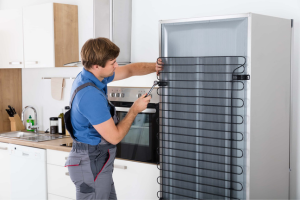
A refrigerator is one of the most important appliances in any home. It runs 24/7, keeping food fresh and safe. When it begins to lose performance, even slightly, the effects can be immediate—and expensive.
LT Appliance Repair specializes in diagnosing and fixing refrigerator issues quickly, helping homeowners avoid food waste and larger repair costs.
Common Signs Your Refrigerator Needs Repair
Refrigerators often show warning signs before a complete failure. Recognizing these early signals can help you act before the situation worsens.
Watch for:
Food spoiling faster than usual
Warm air inside the fridge
Excessive frost buildup in the freezer
Strange noises like buzzing or clicking
Water pooling under or inside the unit
These symptoms may indicate issues with the compressor, evaporator fan, thermostat, or sealed system components.
Why Fast Repairs Matter
A refrigerator that isn’t cooling properly can lead to food loss within hours. According to the USDA, perishable food should not remain above 40°F for more than two hours, making timely repairs critical for food safety.
Beyond food spoilage, small mechanical issues can quickly escalate. A failing fan motor or clogged condenser coil can place extra strain on the compressor, leading to more expensive repairs if ignored.
Energy Efficiency and Performance
When a refrigerator struggles to maintain temperature, it consumes more energy. This often results in higher utility bills without homeowners realizing the cause.
Repairing worn or damaged components helps restore proper function, allowing the appliance to operate efficiently again.
Simple fixes—like clearing airflow issues or replacing faulty parts—can make a noticeable difference in both performance and cost.
The Role of Professional Diagnostics
Refrigerators are complex systems with electrical, mechanical, and cooling components working together. While homeowners can perform basic cleaning and maintenance, diagnosing internal issues requires specialized tools and expertise.
Technicians evaluate:
Temperature regulation
Airflow circulation
Compressor performance
Defrost system operation
This thorough approach ensures the root cause is addressed, not just the visible symptoms.
Preventing Future Problems
Once repairs are completed, homeowners can take steps to keep their refrigerator running smoothly.
Helpful habits include:
Cleaning condenser coils regularly
Keeping door seals clean and intact
Avoiding overloading the fridge
Ensuring proper airflow around the unit
These practices reduce strain and help extend the lifespan of the appliance.
Protecting Your Kitchen’s Most Essential Appliance
Refrigerators rarely get a break. They operate continuously, making them more vulnerable to wear over time.
By addressing problems early and relying on professional repair services, homeowners can keep their refrigerators running reliably.
When cooling issues arise, acting quickly can save money, protect food, and restore peace of mind.